Best Motorbike Helmets in Kenya 2026 - Safety Guide for Boda Boda Riders
Your head is your most valuable asset. When riding a motorcycle in Kenya, choosing the best motorbike helmet is not just a legal requirement—it's your first line of defense against serious injury or death. This comprehensive guide explores the top motorcycle safety helmets in Kenya, explains different helmet types, and helps you find the perfect protective gear for boda boda operations or personal riding. Whether you're looking for budget-friendly options or premium safety features, we'll help you understand what makes a helmet effective for Kenya's roads.
Why Motorbike Helmets Are Essential in Kenya
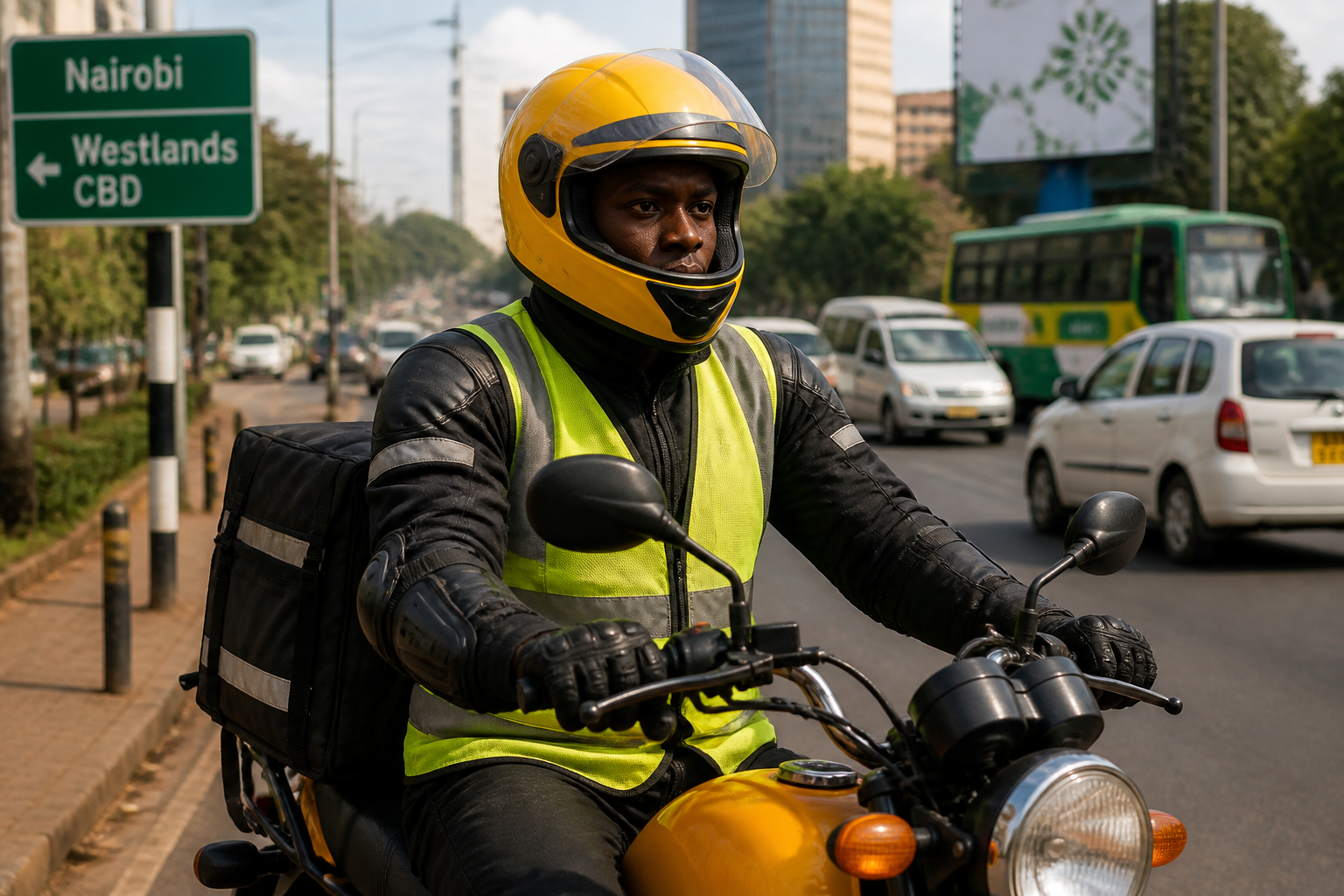
The statistics are sobering: head injuries account for the majority of motorcycle-related fatalities in Kenya. Wearing a quality motorcycle safety helmet can reduce the risk of death by up to 37% and serious head injury by 69%, according to safety research. Yet many boda boda operators and casual riders still neglect this critical piece of protective equipment. In Nairobi and across Kenya, road conditions, traffic density, and riding speeds make helmet protection absolutely non-negotiable.
A motorbike helmet in Kenya serves multiple purposes: it protects your skull and brain from impact, shields your face from road debris and weather, and provides ventilation during hot and humid African conditions. The best helmet Kenya has to offer combines comfort, durability, and genuine safety certification.
Understanding Helmet Safety Standards
Before selecting a motorbike helmet, it's crucial to understand the safety standards that ensure genuine protection. Not all helmets sold in Kenya meet international safety requirements, which is why purchasing from reputable dealers like Cycle Importers Kenya matters significantly.
Key Helmet Safety Certifications
- DOT (Department of Transportation): United States safety standard. A DOT-certified helmet meets rigorous impact, retention, and peripheral vision requirements.
- ECE (Economic Commission for Europe): European safety standard, often considered more stringent than DOT. ECE-certified helmets are excellent for Kenya market.
- ISI (Indian Standards Institution): Many helmets sold in Kenya carry ISI certification, which ensures basic safety compliance.
- Snell Memorial Foundation: The most demanding safety standard, though Snell-certified helmets are rare and expensive in Kenya.
When shopping for the best helmet Kenya retailers offer, always look for clear safety certification labels inside the helmet. If certification information is missing or unclear, avoid the product—genuine protection is non-negotiable.
Types of Motorcycle Helmets Available in Kenya
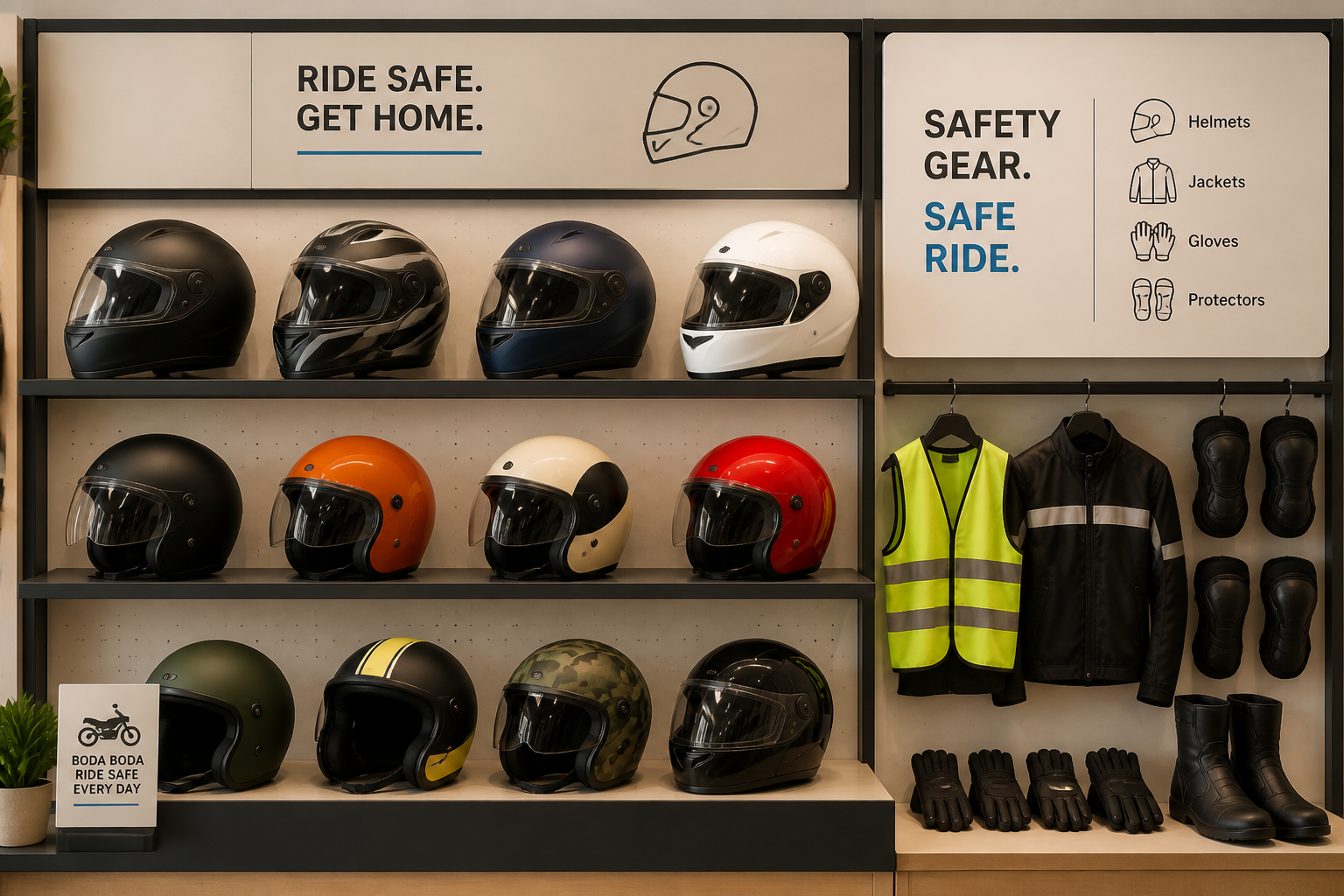
Different helmet styles serve different riding purposes. Understanding helmet types helps boda boda operators and enthusiasts choose appropriate protection for their specific needs.
Full-Face Helmets
Full-face helmets provide maximum protection, covering the entire head including chin and jaw. These are the safest option for high-speed riding and urban commuting in Nairobi's heavy traffic. The complete coverage protects against frontal impacts and face injuries. Full-face helmets also offer better wind noise reduction and weatherproofing. The main drawback is reduced ventilation in hot weather, though modern designs address this with improved airflow channels.
Open-Face (Half-Shell) Helmets
Popular among boda boda riders for their better ventilation and visibility, open-face helmets cover only the crown and back of the head, leaving the face exposed. While offering superior airflow—crucial for Kenya's hot climate—they provide less protection for the face and chin. Many experienced riders prefer the balance of comfort and protection that open-face helmets provide for city riding.
Modular (Flip-Up) Helmets
Combining features of both full-face and open-face designs, modular helmets feature a hinged chin bar that flips up. This versatility appeals to riders who want flexibility—you can ride open-face for ventilation, then flip the chin bar down for highway speeds or bad weather. Modular helmets cost more but offer excellent functionality for varied riding conditions in Kenya.
Half-Helmets
The minimum legal requirement in many areas, half-helmets cover only the top of the head. While lightweight and economical, they offer minimal protection for the face and sides of the head. These are generally not recommended for serious riders, though budget-conscious operators sometimes choose them.
Top Motorbike Helmet Brands Available in Kenya
Premium International Brands
AGV, SHOEI, ARAI, BELL: These premium brands offer exceptional quality, advanced safety features, and superior comfort. While more expensive, premium helmets provide durability that lasts many years, ultimately offering better value.
Mid-Range Options in Kenya Market
VEGA, STEELBIRD, SMK: These brands provide solid safety standards at more accessible prices. They're popular among boda boda operators who want reliable protection without the premium price tag. Quality construction and genuine safety certification make these reliable choices for daily use in Nairobi.
Budget-Conscious Brands
While numerous budget brands exist, exercise caution with extremely cheap helmets. They may lack proper safety certification or use inferior materials. For your head's protection, spending a little more on a certified mid-range helmet is far wiser than risking a low-quality product.
How to Choose the Perfect Motorbike Helmet Kenya
Get the Right Size
Helmet sizing is critical for both safety and comfort. A poorly sized helmet won't protect effectively and becomes uncomfortable during rides. Measure your head circumference with a cloth tape measure, positioning it about one inch above your eyebrows, ears, and around the back of the head. Use the manufacturer's sizing chart to select your size. Helmets vary between brands, so always try before buying when possible.
Check the Fit
A proper-fitting helmet should feel snug but not painfully tight. You should not be able to move it easily side to side or front to back. The cheek pads should contact your cheeks without pushing them uncomfortably into your mouth. If a helmet feels too loose, try the next smaller size.
Consider Ventilation
Kenya's hot and humid climate makes ventilation crucial. Look for helmets with multiple air intake and exhaust vents. Check that vents can be adjusted or closed depending on weather conditions. Proper ventilation prevents fogging and keeps you cooler during long riding sessions through Nairobi traffic.
Weight Matters
Lighter helmets reduce neck strain during extended riding. Most quality helmets weigh between 1.3-1.8 kg. Premium helmets often use advanced materials to achieve lighter weight while maintaining safety standards. For boda boda operators working long hours, a lighter helmet significantly reduces fatigue.
Verify Safety Certification
Always confirm that the helmet carries genuine DOT, ECE, or equivalent certification. Check certification labels carefully and purchase from reputable retailers who guarantee authentic products. Counterfeit helmets with fake certification labels circulate in some markets—avoid the risk by buying from established dealers.
Helmet Maintenance and Care in Kenya's Climate
Kenya's heat, humidity, and dust require proper helmet maintenance to preserve protection and comfort.
- Regular Cleaning: Clean your helmet regularly with mild soap and warm water. Remove dust and debris that accumulate on exterior surfaces.
- Interior Care: Wash removable liners monthly. Machine wash on gentle cycles or hand wash carefully to preserve structural integrity.
- Visor Maintenance: Clean visors gently with soft cloths. Avoid harsh chemicals that damage protective coatings. For full-face helmets, ensure proper visor operation.
- Storage: Store helmets in cool, dry locations away from direct sunlight. Extreme heat degrades helmet materials over time.
- Moisture Control: In humid Nairobi weather, use desiccant packets inside stored helmets to control moisture and prevent mold growth.
Budget vs Premium: Making the Right Investment
| Helmet Category | Price Range (KES) | Best For | Durability |
|---|---|---|---|
| Budget Helmets | 2,000 - 4,000 | Casual riders, legal compliance | 1-2 years |
| Mid-Range (Recommended) | 4,000 - 8,000 | Daily boda boda operators, serious riders | 3-4 years |
| Premium Helmets | 8,000 - 15,000+ | Professional riders, competitive settings | 4-5 years |
For most boda boda operators in Kenya, mid-range helmets offer the best balance of safety, comfort, and value. The slightly higher initial investment pays dividends in durability and protection over several years of daily use.
Accessories That Enhance Helmet Safety
Beyond the helmet itself, consider complementary safety equipment:
- Helmet Lock: Secure your helmet when parking to prevent theft. Many riders invest in dedicated helmet locks.
- Helmet Bag: Transport your helmet safely with a protective carrying case.
- Helmet Liner/Insert: Additional comfort layers for extended riding sessions in Kenya heat.
- Face Shield/Visor Replacement: Keep spares for full-face helmet visors that may scratch or become damaged.
- Helmet Padding Kits: Replace worn padding to maintain comfort and secure fit.
Legal Requirements for Helmets in Kenya
Kenya law requires all motorcycle riders and passengers to wear helmets. This isn't optional—it's mandatory for legal road use. Traffic police enforce helmet laws, and riders without proper protective helmets face fines. Beyond legal compliance, wearing a genuine motorbike helmet is simply intelligent self-protection.
Find Your Perfect Motorcycle Safety Helmet at Cycle Importers Kenya
Explore our extensive selection of certified motorbike helmets, safety gear, and protective equipment. Our experts help you choose the right helmet for your riding style and needs.
Shop Safety Helmets Get Expert AdviceKey Takeaways - Motorbike Helmets Kenya
- Wearing a certified motorcycle safety helmet is essential for protecting your head and reducing injury risk on Kenya's roads
- Choose helmets with genuine DOT, ECE, or ISI safety certification—never compromise on protective standards
- Mid-range helmets (4,000-8,000 KES) offer the best balance of safety, comfort, and durability for daily boda boda use
- Proper fit is critical—measure your head, try helmets before buying, and ensure snug but comfortable placement
- Maintain your helmet properly through regular cleaning and storage in Kenya's hot, humid climate to preserve protective qualities