Cycle Importers Ltd - Kenya's Leading Motorcycle Gear Supplier
Premium Riding Gear for Individual Riders & Corporate Fleets
Complete Motorbike Riding Gear Guide for Kenya Riders in 2026
Essential protection for Nairobi streets, boda boda routes, and Kenya's unpredictable climate
Why Riding Gear Is Non-Negotiable for Kenyan Motorcyclists
Kenya's roads are among the most challenging in East Africa. With increasing motorcycle traffic in Nairobi, Kisumu, Mombasa, and beyond, the importance of proper protective gear cannot be overstated. Whether you're a daily commuter, a boda boda operator, or part of a corporate fleet, riding gear is your first line of defense against serious injury.
This comprehensive guide covers everything you need to know about selecting, sizing, and maintaining motorcycle riding gear in Kenya. Whether you're navigating Nairobi's congested CBD, handling the rains of the March-May or October-November seasons, or managing a fleet of corporate riders, Cycle Importers has the protective solutions you need.
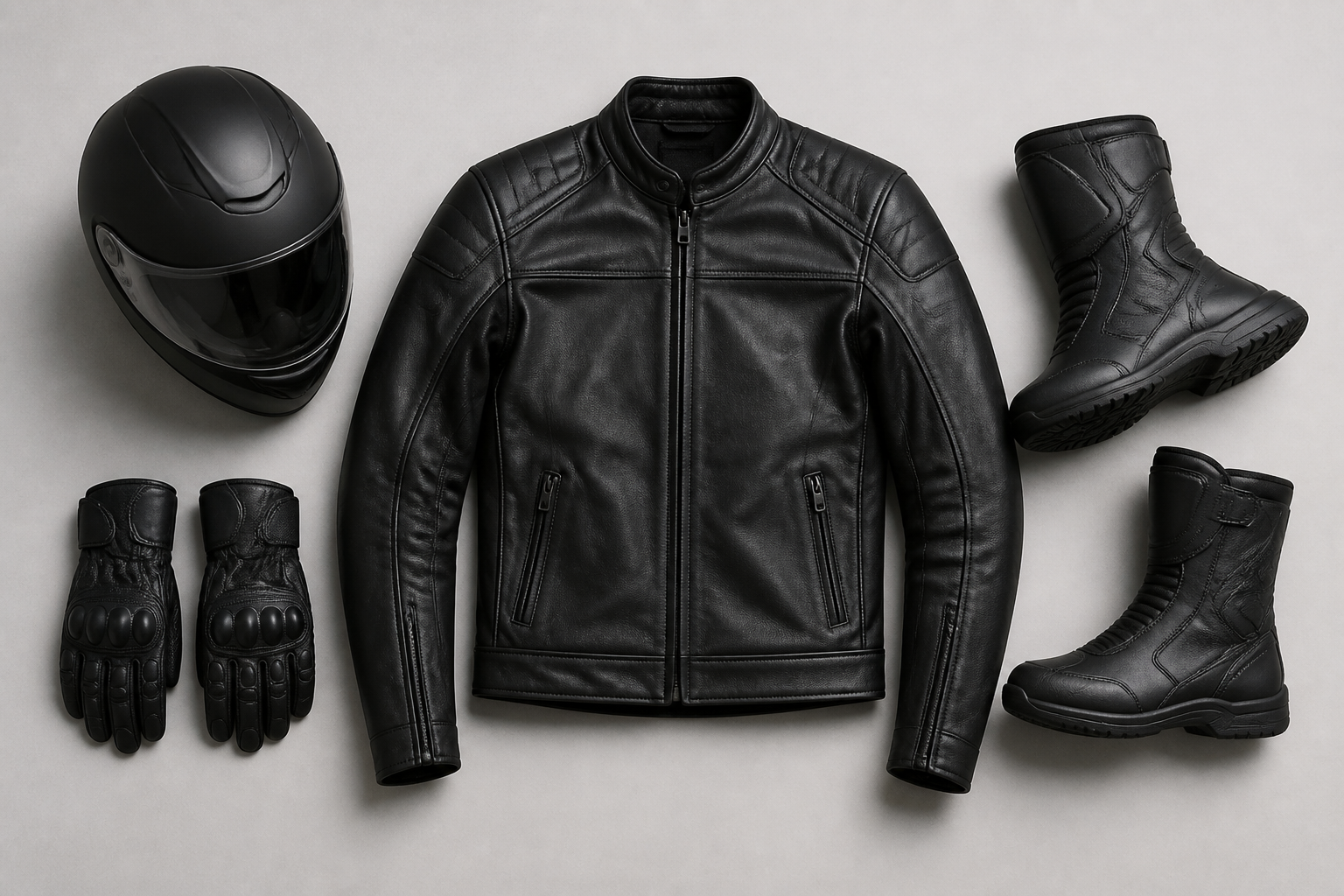
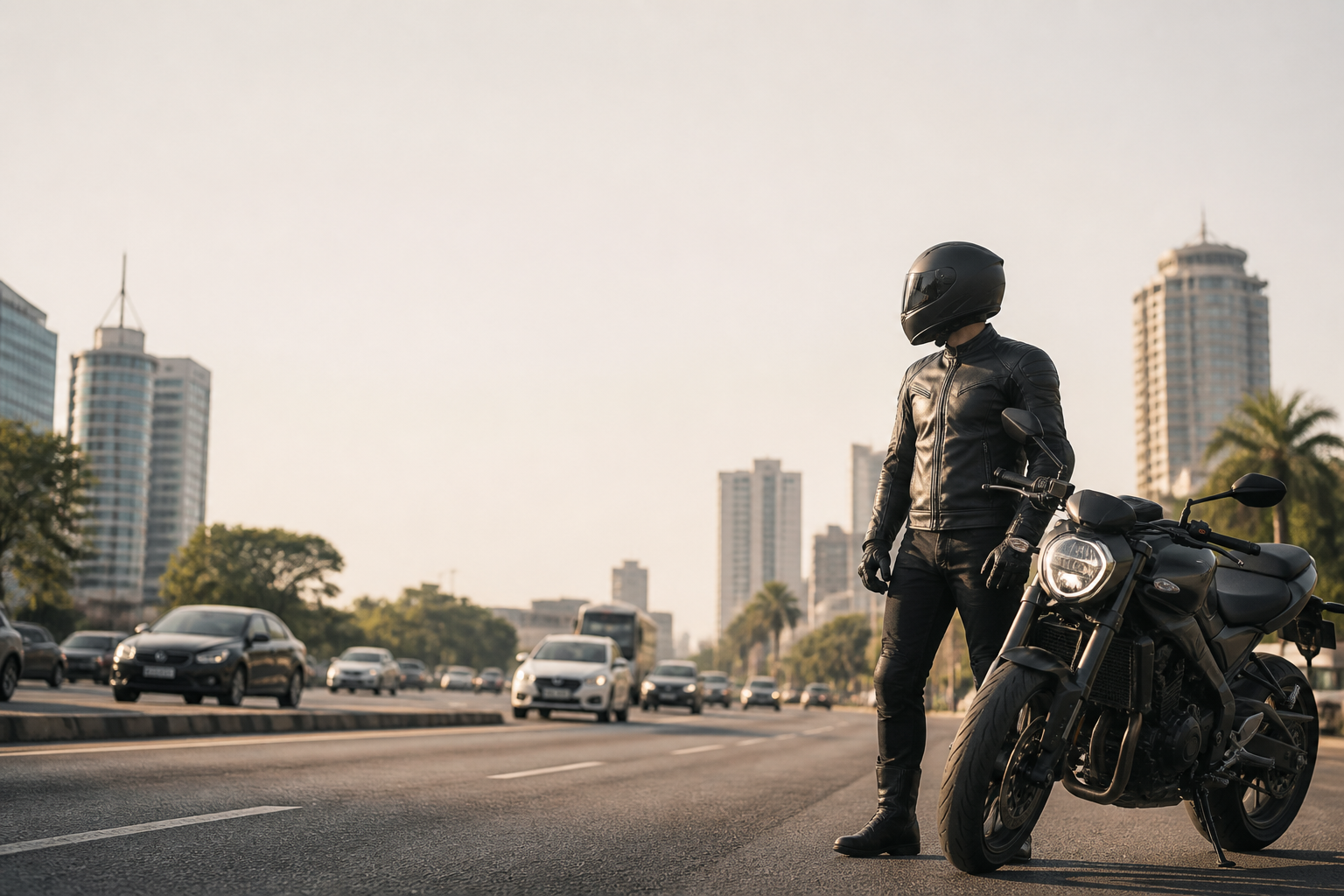
A complete motorcycle riding gear setup: jacket, gloves, boots, and helmet protection
The Essential 5-Piece Riding Kit for Kenyan Riders
Professional riders and safety experts agree on one thing: complete protective gear matters. Here are the five essential pieces every Kenyan motorcyclist should own:
1. The Motorcycle Jacket - Your Armor
The motorcycle jacket is arguably your most important piece of protective gear. It covers your largest body surface area and absorbs impact in the event of a fall or collision.
What to Look For:
- CE Armor: Certified protective padding at shoulders, elbows, and back. This is non-negotiable.
- Material: Choose between leather (premium, durable, professional look) or synthetic (easier care, often more affordable). Both options are available at Cycle Importers.
- Ventilation: In Kenya's hot climate, look for jackets with mesh panels or removable liners to manage heat while maintaining protection.
- Visibility: Reflective strips and bright colors are crucial for night riding on Kenya's roads where street lighting is inconsistent.
- Fit: Should be snug but not restrictive. You'll wear it over regular clothes, so account for layering.
- Waterproofing: Essential for the March-May and October-November rainy seasons.
For Kenya: Many Nairobi riders prefer synthetic jackets due to easier maintenance in humid conditions and lower cost. However, leather jackets offer superior durability and a more professional appearance for corporate riders.
2. Motorcycle Gloves - Protect Your Grip
Your hands are often the first thing to break a fall. Quality gloves protect your palms, knuckles, and fingers while maintaining your grip and control on the bike.
Essential Features:
- Reinforced Palms: Should have extra padding where you grip the handlebars and where impact is likely.
- Knuckle Protection: Hard plastic or gel inserts protect against road abrasion.
- Wrist Support: Prevents wrist injuries in falls.
- Touchscreen Compatible: Modern gloves allow you to use your phone's touchscreen - important for navigation and emergency calls.
- Breathable Materials: Leather or mesh options for Kenya's climate. Synthetic materials dry quickly after rain.
- Reflective Elements: Visible on gloves for night riding safety.
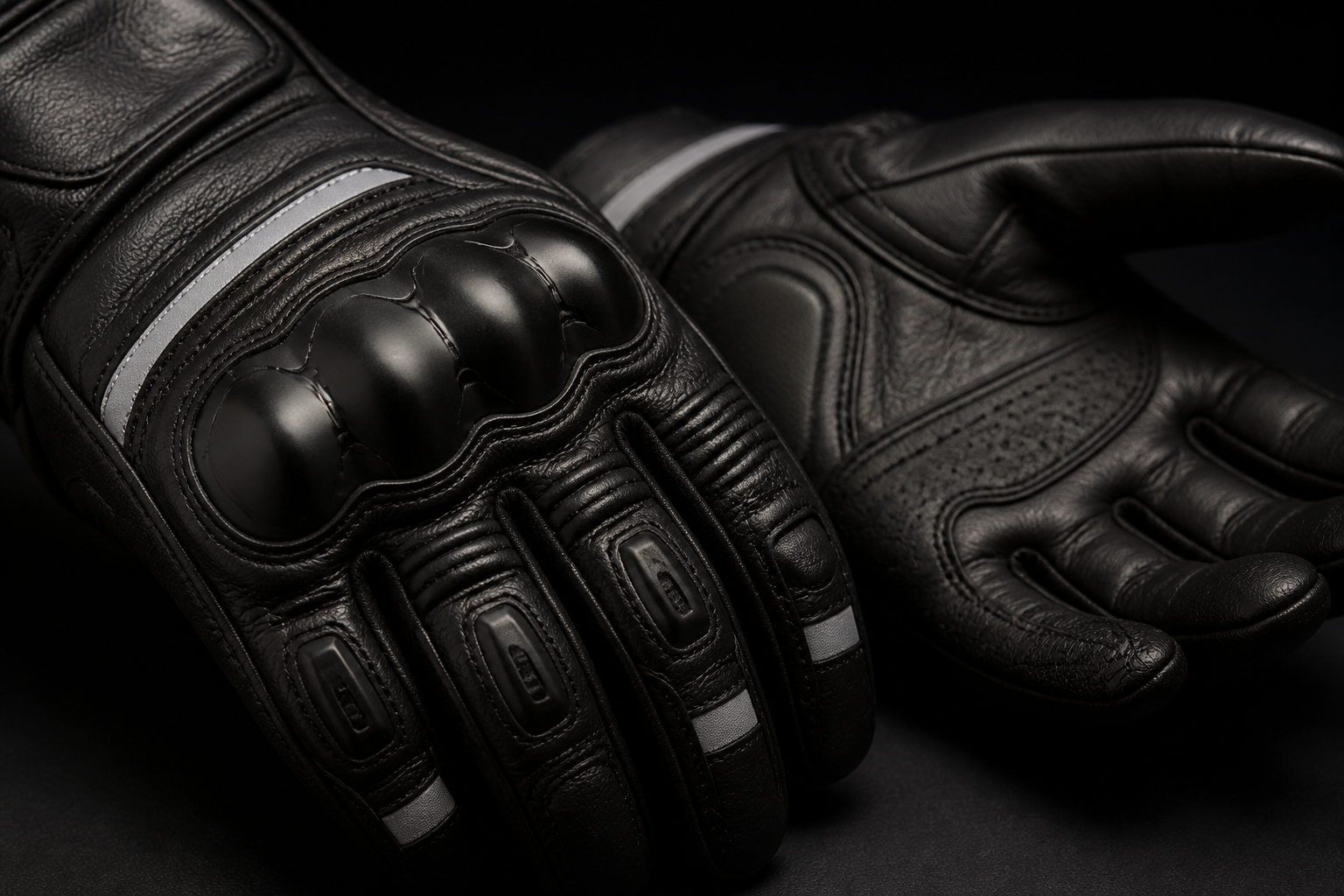
Quality motorcycle gloves feature reinforced knuckles and reflective safety strips for Nairobi's busy roads
Nairobi-Specific Tip: Many boda boda operators in Nairobi prefer gloves with excellent grip in the rain. Test gloves with damp hands before purchasing - your control on the bike depends on it.
3. Riding Boots - Protect Your Foundation
Proper riding boots protect your feet and ankles - crucial joints that bear your bike's weight at stops and during slides. Kenya's varied terrain and climate demand boots with specific features.
Boot Requirements:
- Oil-Resistant Soles: Kenyan roads often have spilled petrol and oil. Non-slip, oil-resistant soles are essential.
- Ankle Support: High-cut boots protect your ankle joint - one of the most injured areas in motorcycle accidents.
- Reinforced Heel & Toe: Extra protection where your heel rests on the shifter and your toe drags during turns.
- Waterproofing: Mandatory for rainy season riding. Look for waterproof membranes that still allow breathability.
- Ventilation: In Kenya's heat, boots with mesh panels or breathable linings keep your feet from getting too hot.
- Quality Lacing: Should be secure and easy to adjust for your comfort.
Leather vs. Synthetic: Leather boots are more durable and professional but require more maintenance. Synthetic boots dry faster and are often more affordable - ideal for Kenyan riders dealing with rainy seasons.
4. The Helmet - Your Most Critical Safety Asset
While Cycle Importers specializes in protective gear like jackets, gloves, and boots, we want to emphasize that a quality helmet is your single most important investment. Your head and brain are irreplaceable.
Helmet Selection is Critical: Look for DOT, ECE, or SNELL certified helmets. Full-face helmets offer the best protection. In Kenya's heat, composite helmets with good ventilation and removable liners are popular. Contact us on WhatsApp +254720283468 to inquire about helmet recommendations or to request quotes if you're managing a fleet.
5. Rain Gear - Master Kenya's Two Rainy Seasons
Kenya's March-May and October-November rainy seasons are intense. Waterproof rain gear isn't optional - it's essential for staying dry, maintaining visibility, and preventing gear damage.
Rain Gear Features:
- Waterproof Material: Should fully repel water, not just resist it. Cycle Importers stocks quality waterproof fabrics.
- Quick-Drying: Synthetic materials dry faster than leather when heavy rains hit Nairobi unexpectedly.
- Visibility: Reflective elements are even more critical in rainy conditions when visibility drops dramatically.
- Comfort Fit: Should fit over your regular riding gear. Two-piece rain suits are popular in Kenya - separate jacket and pants.
- Ventilation: Good rain suits have breathable membranes that release body heat and humidity, preventing sweat buildup.
- Easy On/Off: You need to put rain gear on quickly when storms hit suddenly in Nairobi.
Pro Tip for Boda Boda Operators: Keep a lightweight, packable rain jacket in your bag. Kenya's afternoon rains can be sudden and intense.
Choosing Gear for Nairobi's Climate - Heat + Rain Balance
Nairobi and other Kenyan cities present unique challenges: intense heat and sun, unexpected heavy rains, and unpredictable traffic conditions. Here's how to choose gear that handles it all:
Hot Season Strategy (January-February, June-October)
- Jacket: Choose synthetic materials or leather jackets with mesh panels. Look for ventilation features. Removable liners are ideal.
- Gloves: Lightweight leather or mesh materials. Shorter cuffs help with air circulation.
- Boots: Mesh ventilation is crucial. Avoid heavy insulation.
- Color: Lighter colors (tan, light grey) reflect heat better than black, though black offers better visibility for some riders.
Rainy Season Strategy (March-May, October-November)
- Jacket: Full waterproof protection. A separate rain jacket you wear over your regular jacket is practical.
- Gloves: Waterproof or quick-drying synthetic materials. Wet leather takes forever to dry.
- Boots: Waterproof is essential. Oil-resistant soles prevent slipping on wet roads.
- Visibility: Reflective elements become even more critical in low-visibility rain.
Riding Gear for Corporate Fleets - Bulk Orders & Branding
If you manage a motorcycle delivery fleet, corporate couriers, or a boda boda service operating out of Nairobi or other Kenyan cities, standardized protective gear isn't just about safety - it's about brand consistency, liability protection, and rider morale.
Benefits of Standardized Fleet Gear
- Safety Compliance: Ensure every rider meets minimum protection standards.
- Brand Visibility: Branded jackets and gear turn your riders into mobile billboards. Nairobi CBD riders in matching company gear stand out.
- Employee Satisfaction: Providing quality protective gear shows you value your riders' safety and wellbeing.
- Liability Protection: Documented provision of proper protective gear supports your company's duty of care.
- Weather Readiness: Coordinate rain gear across your fleet so everyone's equipped for Kenya's rainy seasons.
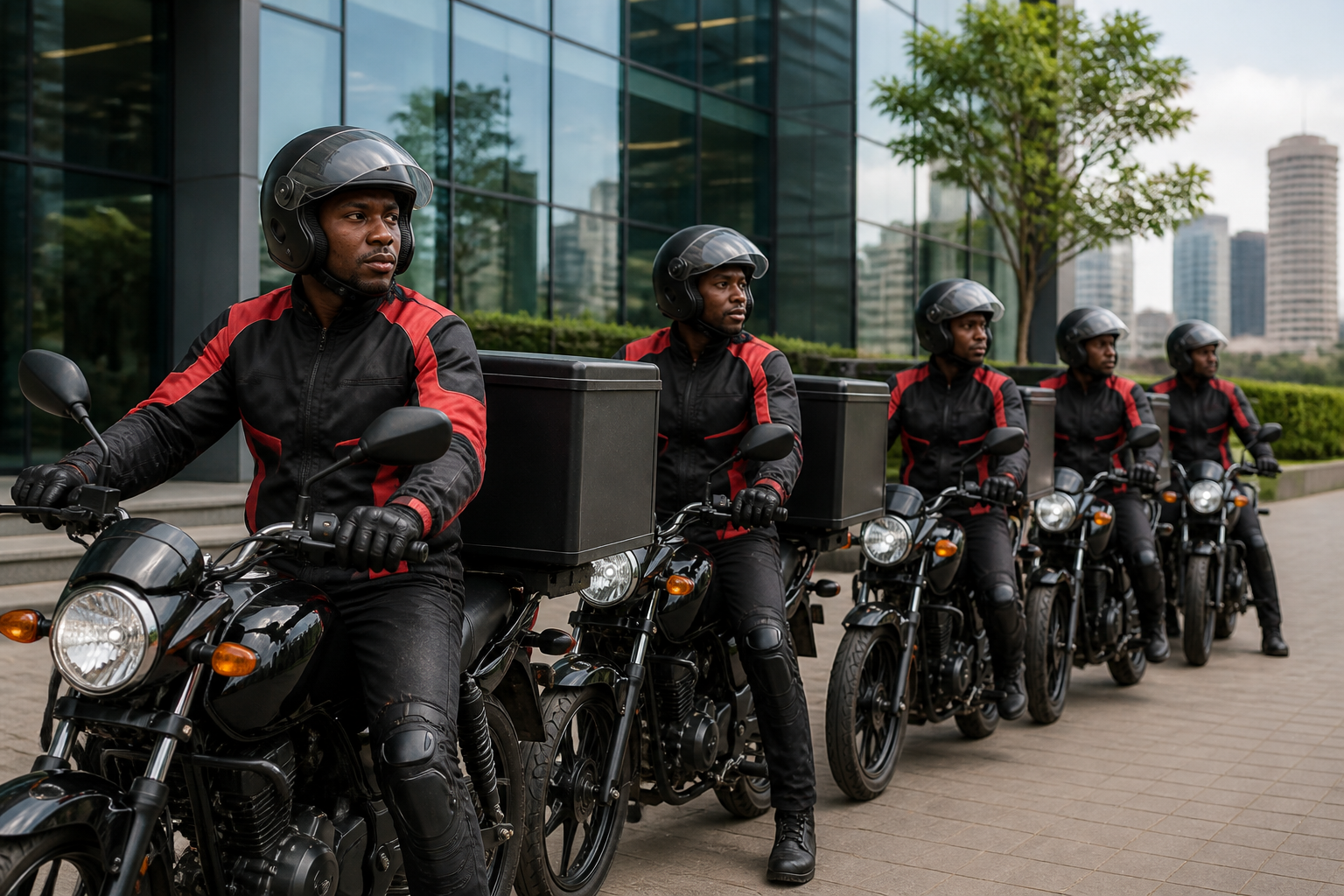
Fleet management: Branded motorcyclist gear maintains consistency and safety standards
Cycle Importers Fleet Solutions (10+ Riders)
Cycle Importers specializes in bulk orders for corporate motorcycle fleets. We work with Nairobi-based delivery services, corporate courier companies, and boda boda cooperatives to:
- Supply bulk quantities of matching jackets, gloves, and boots
- Offer custom branding and embroidery (company logos, rider names)
- Provide volume pricing for orders of 10+ riders
- Ensure consistency in safety standards across your fleet
- Support mixed sizes and color preferences within your brand identity
- Offer quote-based pricing with flexible payment terms for larger orders
Ready to Equip Your Fleet?
Cycle Importers works with corporate fleet managers across Kenya. We handle bulk orders, custom branding, and competitive pricing.
📱 WhatsApp Fleet Quote: +254720283468
📞 Call Our Team: +254720283468
How to Size Your Riding Gear Correctly - Kenya Sizing Context
Poor sizing is one of the biggest mistakes riders make. Gear that doesn't fit properly won't protect effectively and will be uncomfortable to wear regularly. Here's how to get it right:
Motorcycle Jacket Sizing
- Measurement: Measure your chest circumference with a soft measuring tape at the fullest point. Wear a t-shirt you'd ride in.
- Fit Check: The jacket should be snug but not restrictive. You should be able to move your arms in a riding position without the jacket pulling or gapping.
- Length: Should reach to your belt line and not bunch up. In Nairobi's humid climate, avoid jackets that trap too much heat at the waist.
- Sleeve Length: Sleeves should reach just past your wrist bone when arms are at your sides.
Glove Sizing
- Hand Circumference: Measure around your hand at the widest point (across the knuckles), excluding your thumb.
- Fit Test: Gloves should be snug but allow full finger movement. Bunched up material reduces protection; too loose and you lose tactile feedback on the throttle.
- Kenya Tip: Try gloves with slightly damp hands to simulate rainy season riding.
Boot Sizing
- Measurement: Measure your foot length from heel to longest toe. Leave a small gap (about half a finger width) between your toe and the boot end.
- Width: Boots should fit snugly across the top of your foot without pressure points.
- Ankle Fit: The ankle collar should be snug enough to prevent twisting but not so tight it cuts off circulation.
- Standing Test: Your heel should not slip when walking. In Kenya's terrain, a secure fit is critical.
Trying On Gear - What to Check
- Practice getting on and off your motorcycle in full gear - this is your reality test
- Walk around for at least 10 minutes - fatigue will reveal uncomfortable pressure points
- Check visibility - make sure padded shoulders don't restrict your peripheral vision
- Simulate rain - mentally picture riding in heavy rain in this gear (ventilation, visibility, movement)
- Ask yourself: "Would I wear this every day?" If not, it's the wrong fit
How to Care for Your Riding Gear in Kenya's Climate
Kenya's combination of heat, humidity, dust, and rain means your gear takes a beating. Proper maintenance extends its life and ensures it keeps protecting you effectively.
Jacket Care
- After Every Ride: Wipe down with a dry cloth to remove dust and humidity. Kenya's dust accumulates fast.
- Weekly: Air dry in a well-ventilated area (not direct sunlight if leather). Remove removable liners and dry separately.
- Monthly: Spot clean with appropriate cleaner for your material (leather cleaner for leather, gentle soap for synthetics).
- Rainy Season: After riding in heavy rain, dry thoroughly to prevent mold and mildew. Hang in shade with good air circulation.
- Storage: Store in a cool, dry place. Never fold - use a jacket hanger to maintain shape. Kenya's humidity can damage fabric if stored damp.
Glove Care
- Daily: Let them air dry naturally. Never put wet gloves near heat sources.
- Weekly: Spot clean with mild soap and water. Rinse thoroughly and air dry completely.
- Odor Control: In Kenya's heat, glove odor can be an issue. Use baking soda in an open container near your stored gloves.
- Leather Gloves: Condition monthly with leather conditioner to prevent cracking in Kenya's dry season.
Boot Care
- After Wet Rides: Remove insoles and air dry separately. Stuff boots with newspaper (change newspaper as it absorbs moisture) to maintain shape.
- Oil & Grease Removal: Kenya's road conditions mean oil and grease on your boots. Clean immediately with appropriate cleaner.
- Sole Care: Check soles regularly for damage. Worn soles reduce protection and grip in rainy season riding.
- Leather Conditioning: Apply leather conditioner every 3 months to prevent water damage and maintain flexibility.
- Waterproofing: Reapply waterproofing treatment every 6 months or after heavy use during rainy seasons.
Rain Gear Care
- Immediate Drying: After rainy season rides, hang to dry immediately in a well-ventilated space.
- Storage: Store loosely (not crumpled) to prevent material degradation. Don't store damp.
- Waterproofing Maintenance: Test water resistance every rainy season. Reapply waterproofing treatment if water begins beading rather than rolling off.
What to Avoid - Cheap Imitation Riding Gear in Kenya
Kenya's motorcycle market has a significant counterfeit gear problem. Cheap imitations compromise your safety and cost more in the long run due to frequent replacements. Here's what to watch out for:
Red Flags for Poor Quality Gear
- No Visible CE Armor: Legitimate protective gear displays CE certification. If armor can't be felt or seen, it's likely padding, not protection.
- Loose Seams: Cheap gear separates at seams quickly, especially in Kenya's climate conditions.
- Flimsy Zippers: Poor quality zippers fail within months. Check zippers slide smoothly and have sturdy pulls.
- Uncomfortable Fit Right Away: Cheap gear is poorly designed. Legitimate gear is uncomfortable until broken in, but poor-quality gear is uncomfortably designed.
- No Waterproofing: Some cheap jackets claim waterproofing but are just tightly woven cloth. They'll leak immediately in Kenya's heavy rains.
- Reflective Tape Falls Off: Quality reflective elements are sewn or heat-sealed. Cheap gear has reflective material glued on that peels away in weeks.
- No Brand or Origin Information: Legitimate manufacturers provide brand, origin, and care instructions. Mystery gear is a gamble.
Why Quality Matters
In the event of a motorcycle accident, your gear is your only protection. Cheap imitation gear may look similar but provides minimal protection. The cost difference between quality gear and cheap counterfeit gear is negligible compared to medical bills from an accident that proper protection could have prevented.
Frequently Asked Questions - Kenya Riders
❓ What is the most important piece of riding gear in Kenya?
A quality motorcycle jacket with CE armor is the most important piece of protective gear. It protects your torso, shoulders, and elbows in case of accidents - the most common impact points. In Kenya's hot climate, choose jackets with ventilation and protective padding that balance safety with comfort. However, a proper helmet is equally critical for protecting your head and brain.
❓ How do I choose the right size for motorcycle gloves in Kenya?
Measure your hand circumference at the widest point (across your knuckles) without the thumb. Gloves should fit snugly without being restrictive. In Kenya's humid climate, choose breathable leather or synthetic materials with reflective strips for night riding visibility. If ordering from Cycle Importers, share your measurement and we'll recommend the right size.
❓ What are the best riding boots for Kenya's climate?
Look for boots with oil-resistant, waterproof soles for rainy seasons and good ventilation for hot weather. Ankle protection, reinforced heel and toe areas, and non-slip soles are essential. Cycle Importers stocks leather and synthetic options suitable for Kenya's varied conditions. For the best fit, send your foot length measurement via WhatsApp.
❓ Can I get bulk riding gear orders for my corporate fleet?
Yes! Cycle Importers offers bulk orders for corporate fleets of 10+ riders with custom branding options. Contact us on WhatsApp +254720283468 or call +254720283468 to request a quote for your company. We work with Nairobi-based delivery services, corporate couriers, and boda boda cooperatives.
❓ Why is rain gear essential for boda boda riders in Kenya?
Kenya experiences two intense rainy seasons (March-May and October-November). Waterproof rain gear keeps you dry, maintains visibility, and prevents gear damage. Quality rain suits are quick-drying and don't compromise visibility or maneuverability on Kenya's busy roads. Many experienced riders keep rain gear in their bag year-round for sudden afternoon storms.
❓ Where can I buy quality motorbike riding gear in Nairobi?
Cycle Importers Ltd is Kenya's leading supplier of authentic, quality motorcycle protective gear. We stock jackets, gloves, boots, and rain gear in various sizes and styles. Visit our Riding Gears page at cycleimporters.co.ke/riding-gears/ or contact us via WhatsApp +254720283468 to request a quote.
❓ Do you offer quote-based pricing?
Yes! Most of Cycle Importers' stock is quote-based. If a specific item isn't in stock, we can provide pricing quotes for orders. Contact us on WhatsApp +254720283468 or call +254720283468 with your requirements, and our team will provide pricing and availability information.
❓ What's the difference between leather and synthetic riding gear?
Leather: More durable, professional appearance, excellent protection, but harder to maintain in Kenya's humid climate and requires conditioning. Synthetic: Easier to care for, dries quickly after rain, often more affordable, but may not last as long. For Kenya's climate with frequent rains, many riders prefer synthetic jackets for convenience.
Conclusion - Invest in Your Safety Today
Riding a motorcycle in Kenya requires more than just a bike and a license. It requires commitment to your safety through proper protective gear. Whether you're a daily commuter in Nairobi's CBD, a boda boda operator managing your own fleet, or a corporate manager equipping riders for your company, the right gear makes the difference between a close call and a tragedy.
Kenya's unique riding conditions - intense heat, unpredictable rains, challenging traffic, and varied terrain - demand gear selected specifically for these challenges. A quality motorcycle jacket with CE armor, protective gloves, riding boots, and rain gear for the wet seasons aren't luxuries - they're necessities.
Cycle Importers Ltd is your partner in safe riding in Kenya. We understand the challenges Kenyan riders face. We stock authentic, tested protective gear suitable for individual riders, boda boda operators, and corporate fleets. Whether you need a single jacket or gear for a fleet of 100 riders, we're here to help.
Get Your Riding Gear Today
Don't compromise on safety. Equip yourself or your fleet with quality protective gear from Cycle Importers.
📱 WhatsApp: +254720283468
📞 Phone: +254720283468
🌐 Website: cycleimporters.co.ke
🏍️ Shop Riding Gear: cycleimporters.co.ke/riding-gears/
About Cycle Importers Ltd
Cycle Importers Ltd is Kenya's leading supplier of authentic motorcycle protective gear. Based in Nairobi, we serve individual riders, boda boda operators, and corporate fleet managers across Kenya with quality jackets, gloves, boots, rain gear, and accessories. Our mission is to make safe riding gear accessible and affordable for every Kenyan motorcyclist.
For individual orders: Browse our Riding Gears selection or request a quote for specific items.
For corporate fleets: Contact us for bulk pricing, custom branding, and fleet solutions for 10+ riders.